Introduction to Choosing Survival Equipment
Embarking on a journey into the wild or preparing for unexpected emergencies demands a comprehensive understanding of survival equipment. The right gear can mean the difference between life and death, comfort and discomfort, or even success and failure when navigating uncertain situations. But with myriad options available on the market, how do you discern what is truly essential? This guide aims to simplify the process of selecting the best survival equipment, ensuring you’re well-prepared for any scenario that might come your way.
Understanding the core challenges faced in survival situations is crucial. Whether you’re camping in the remote forests of Oregon or fortifying your home for potential natural disasters, the gear you choose must reflect the specific demands of your environment. Prioritizing multifunctional items that offer durability and reliability, such as a robust multi-tool or a high-quality water filtration system, can significantly enhance your preparedness.
Moreover, aligning your equipment choices with personal goals and interests is vital. Outdoor enthusiasts might prioritize gear that enhances their adventures, whereas urban dwellers may focus on items that ensure safety and comfort during emergencies. Regardless of your background, the key is to choose equipment that meets your needs and maximizes your chances of maintaining safety and well-being in challenging conditions.
Ultimately, the selection of survival equipment should be guided by a blend of expert recommendations and personal experience. As you delve into this journey, remember that the tools you choose are not just purchases; they are investments in your safety and peace of mind. Ready to delve deeper into survival essentials? Explore our comprehensive guide to gear selection [link].
Understanding the Basics of Survival Gear
In the unpredictable realm of the great outdoors, having the right survival gear can mean the difference between comfort and distress, or even life and death. Understanding the basics of survival gear is crucial for anyone who ventures into nature, whether for recreation, work, or necessity. This knowledge is a vital component of preparedness, ensuring that individuals are equipped to handle any situation nature may throw their way.
Survival gear encompasses a wide range of equipment, each serving a specific purpose to address the key needs of survival: shelter, warmth, hydration, and food. At its core, a comprehensive survival kit should include items like a reliable multi-tool, a sturdy knife, and a portable water filter. These essentials ensure that basic needs are met, providing security and peace of mind.
The Essentials of Survival Gear
- Shelter: A lightweight tent, an emergency bivvy, or a tarp can provide critical protection against the elements.
- Warmth: Fire-starting tools, such as waterproof matches or a ferro rod, and an insulated blanket are essential for staying warm.
- Hydration: A portable water filter or purification tablets ensure access to safe drinking water.
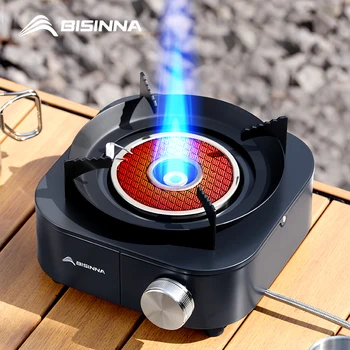
- Food: Non-perishable food items and a way to cook them, like a small camping stove, are vital for sustenance.
Survival gear also includes navigation tools such as a map and compass, or a GPS device, to prevent one from getting lost. First aid supplies, signaling devices like a whistle or mirror, and personal protection equipment are also integral components.
Ultimately, choosing the right survival equipment requires a balance between necessity and portability, ensuring that you are prepared without being overburdened. Understanding these basics not only enhances one’s safety but also enriches the outdoor experience, providing the confidence needed to explore with assurance. Want to learn more? Explore our full product line.
Assessing Your Environment and Needs
When faced with the challenge of selecting the best survival equipment, the importance of understanding your environment and personal needs cannot be overstated. This first step is crucial in ensuring that you are adequately prepared for any situation that might arise, whether you find yourself in the dense forests of Oregon or the arid deserts of Nevada. By taking the time to assess your surroundings and requirements, you lay the groundwork for a successful survival strategy.
Understanding Your Environment
The environment in which you plan to use your survival gear plays a pivotal role in determining the specific items you’ll need. For instance, if you’re venturing into the mountains, cold weather gear such as insulated clothing and thermal blankets become essential. Conversely, for a tropical setting, lightweight, breathable clothing, and equipment to purify water are more appropriate. Recognizing the climate, terrain, and potential hazards of your environment will guide your decision-making process.
Identifying Personal Needs
Alongside environmental factors, personal needs must also be considered. These include any specific health requirements, such as medications or dietary needs, which could affect your survival strategy. It’s vital to account for your physical capabilities, ensuring that the equipment you choose is manageable and compatible with your level of experience and expertise. For instance, a seasoned hiker might opt for advanced navigation tools, while a novice might require a simpler, more intuitive setup.
By thoroughly assessing both your environment and personal needs, you not only enhance your preparedness but also increase your confidence in handling unforeseen challenges. Remember, the best survival equipment is not just about having the latest gear; it’s about having the right gear for you and your specific situation.
Want to learn more about survival gear tailored to your needs? Explore our full product line or contact us for personalized recommendations.
Key Features to Look for in Survival Tools
Choosing the right survival equipment can be the difference between comfort and chaos when faced with unexpected situations in the wilderness. As such, understanding the key features to consider in survival tools is essential for anyone who aspires to be well-prepared. Here, we delve into the critical elements that should guide your selection process, ensuring you have a reliable kit for any situation.
Durability
When selecting survival tools, durability is paramount. Opt for items made from high-quality materials that can withstand harsh conditions. Look for stainless steel in knives and corrosion-resistant alloys in multi-tools to ensure longevity.
Versatility
Versatility is another crucial feature. Tools that serve multiple functions can save space and weight in your pack, which is invaluable during extended treks. A multi-tool with a knife, pliers, and screwdriver can provide numerous solutions in one compact device.
Ease of Use
Survival situations can be stressful, so tools should be intuitive and easy to operate. Prioritize items with straightforward mechanisms, as complicated gadgets can become liabilities under pressure.
Portability
Portability is also essential. Compact, lightweight tools are preferable, as they allow for greater mobility. Consider collapsible or foldable designs that reduce bulk without compromising functionality.
Weather Resistance
Survival equipment should be able to handle various weather conditions. Waterproof or water-resistant items are particularly advantageous, as they ensure reliability regardless of the environment.
By focusing on these key features, you can curate a survival kit that not only meets your immediate needs but also provides peace of mind. For more information on assembling the ideal survival kit, explore our expert guides and product recommendations.
Evaluating the Quality and Durability of Equipment
When it comes to choosing survival equipment, the foremost criterion should be the quality and durability of the items. Survival situations demand gear that can withstand harsh conditions and prolonged use, making it essential to evaluate each piece meticulously before adding it to your kit. Here’s how you can ensure you’re selecting the best possible equipment.
Materials and Build
Begin by investigating the materials used in the construction of the equipment. Opt for items made from high-strength materials such as stainless steel, titanium, or reinforced polymers, known for their longevity and resistance to wear and tear. The build quality also speaks volumes—well-crafted joints, seams, and fastenings are indicative of an item’s ability to endure rigorous use.
Manufacturer Reputation
Consider the reputation of the manufacturer. Brands with a history of producing high-quality survival gear often have rigorous testing standards. Reading reviews and testimonials can provide insights into the real-world performance of the equipment. Trustworthy brands offer warranties that not only signify their confidence in their products but also provide you with peace of mind.
Field Testing
Whenever possible, field test the equipment in controlled environments before relying on it in an actual survival situation. This practice helps you understand the equipment’s functionality and limitations, ensuring you are prepared for any challenges that might arise.
In conclusion, by thoroughly evaluating the quality and durability of survival equipment, you can ensure that you are well-prepared for any situation. Remember, investing time and resources in choosing the right gear is an investment in your safety and survival.
Want to learn more? Explore our full product line and get equipped with the best survival gear available.
Comparing Popular Brands and Models
When it comes to selecting survival equipment, the vast array of brands and models available can be overwhelming. However, making an informed decision starts with understanding the unique offerings of each brand and how they align with your specific needs.
Brand Reputation and Reliability
One of the first factors to consider is the reputation of the brand. Brands with a long-standing history in the outdoor and survival equipment industry, such as Garmin and Leatherman, have built their reputation on reliability and durability. These companies are often trusted for their innovative approaches and commitment to quality, making them a go-to choice for seasoned survivalists.
Model Features and Innovations
Beyond the brand, looking into the specific features of different models is crucial. For instance, Garmin’s GPS devices are renowned for their precision and user-friendly interface, which can be life-saving in an emergency. Leatherman’s multitools, on the other hand, offer a wide range of functionalities in a compact form, essential for both everyday tasks and survival situations.
Balancing Cost and Quality
While cost is always a consideration, it shouldn’t be the sole factor driving your decision. Often, the cheapest options may compromise on quality, which is not advisable when dealing with survival gear. Investing a bit more in a reputable brand can ensure longevity and reliability, ultimately providing peace of mind.
In conclusion, choosing the right survival equipment involves a careful examination of both brand reputation and model-specific features. By prioritizing quality and reliability, you can ensure that your gear will support you in any situation nature throws your way. Ready to explore our curated selection of survival equipment? Visit our store and find the perfect fit for your needs today.
Practical Tips for Testing Gear Before Purchase
Choosing the right survival equipment can be a daunting task, especially with the plethora of options available today. To ensure that your gear will perform optimally in critical situations, it’s essential to test it before purchasing. Here are some practical tips to guide you through this process.
Understand Your Needs
Before heading to a store, it’s important to identify what specific needs your gear must fulfill. Consider the environments you plan to venture into and the potential challenges you might face. Whether you need equipment for camping in the Oregon wilderness or preparing for unexpected emergencies at home, knowing your requirements will help narrow down your choices.
Research and Review
Start by gathering information from reputable sources, such as expert reviews and customer testimonials. These insights will offer a clearer picture of how the equipment performs in real-world scenarios. Pay attention to feedback on durability, ease of use, and reliability.
In-Store Testing
- Feel the Weight: Ensure the gear is manageable in terms of weight, especially if you plan to carry it over long distances.
- Test the Functionality: If possible, try out the gear in-store. For instance, practice setting up a tent or test the sharpness of a survival knife.
- Inspect for Quality: Look for signs of quality craftsmanship, such as sturdy stitching and robust materials.
Seek Expert Advice
If you’re unsure about your decision, consult with store personnel who are knowledgeable about survival gear. They can provide valuable insights and might even offer demonstrations.
By taking the time to test your gear before buying, you ensure that you are making a sound investment in your safety and preparedness. With the right tools, you can face any situation with confidence and peace of mind.



0 Comments