What is an Emergency Preparedness Kit and Why You Need One
In the unpredictable tapestry of life, preparedness is our shield against the unexpected. An emergency preparedness kit serves as an essential arsenal designed to equip you for unforeseen situations. Whether it’s natural disasters like earthquakes or hurricanes, or unexpected events such as power outages, having a well-stocked kit can mean the difference between chaos and calm.
At the heart of an emergency preparedness kit is the concept of self-reliance. When disaster strikes, resources can become scarce, and aid might not be immediately available. Your kit is your personal lifeline, ensuring that you have access to essential supplies and tools necessary for survival. This includes water, non-perishable food, a first aid kit, flashlights, batteries, and more. Having these items on hand not only enhances your safety but also provides peace of mind.
Understanding the Core Components
- Water: Ideally, store at least a gallon per person per day for at least three days.
- Food: Non-perishable items such as canned goods, energy bars, and dried fruits.
- First Aid Kit: Include basics like band-aids, antiseptic wipes, and any necessary prescription medications.
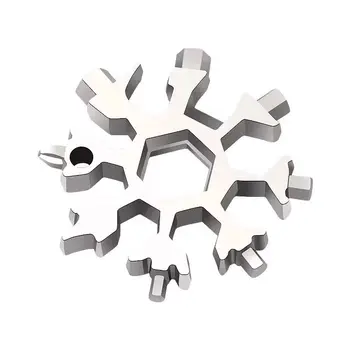
- Tools: A multi-tool or Swiss army knife, and basic repair supplies.
- Communication: A battery-powered or hand-crank radio to stay informed about emergency updates.
Creating your kit is not just about gathering supplies; it’s an exercise in foresight and responsibility. By taking steps to prepare, you demonstrate a proactive approach to safeguarding your well-being and that of your loved ones. Embrace preparedness, and transform potential chaos into organized resilience.
Ready to prepare your own emergency kit? Explore our comprehensive guide on essential preparedness tools and tips here.
Key Items Every Emergency Kit Should Include
In the unpredictable dance of life, being prepared for unforeseen emergencies is not just prudent but essential. Building an emergency kit that is comprehensive and reliable can be the difference between chaos and calm during a crisis. Whether you’re facing a natural disaster, power outage, or any unexpected event, having a well-stocked emergency kit can provide peace of mind and a sense of control.
1. Water and Non-Perishable Food: At the heart of your emergency kit should be water—one gallon per person per day for at least three days for drinking and sanitation. Include non-perishable food items such as canned goods, protein bars, and dried fruits, ensuring you have enough to sustain each member of your family for at least 72 hours.
2. First Aid Supplies: A comprehensive first aid kit is indispensable. It should contain bandages, antiseptic wipes, adhesive tape, a thermometer, and any necessary personal medications. Be sure to check expiry dates regularly and replace items as needed.
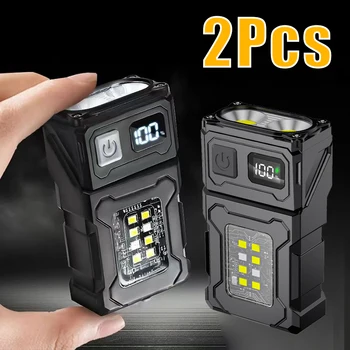
3. Tools and Gadgets: Consider including a flashlight with extra batteries, a multi-purpose tool, and a whistle to signal for help. These tools can assist in navigating through darkness and unforeseen circumstances efficiently.
4. Clothing and Personal Items: Pack a change of clothes and sturdy footwear for each family member, along with blankets or sleeping bags. Personal hygiene items like toothbrushes, toothpaste, and moist towelettes can maintain comfort and cleanliness.
5. Important Documents: Keep copies of personal documents such as passports, identification cards, medical records, and insurance policies in a waterproof container. This ensures that essential information is protected and accessible when needed.
By assembling these critical components, you safeguard yourself and your loved ones against the uncertainties of emergencies. Remember, an effective emergency kit is not just a collection of items but a strategic tool for survival. Explore our range of emergency preparedness products and ensure you’re ready for whatever comes your way.
How to Choose the Right Survival Gear for Your Kit
In the realm of preparedness, selecting the right survival gear is paramount to ensuring you and your loved ones can weather any emergency with confidence. The key lies in understanding what items will offer the most utility and protection during unforeseen circumstances. Here’s a comprehensive guide to help you make informed decisions when building your emergency kit, ensuring it aligns with your specific needs and environment.
Assess Your Environment and Needs
The first step in choosing the right survival gear is to assess your environment and specific needs. Are you in an urban area where shelter-in-place might be necessary, or a rural setting where evacuation could be more likely? Consider the common weather patterns and potential natural disasters in your region. For instance, if you’re based in Oregon, as David Regula’s outdoor shop suggests, you might prioritize waterproof gear and thermal blankets due to the state’s varied climate. Understanding these factors will guide you in selecting the most suitable items.
Essential Items to Consider
- Water Filtration and Storage: Access to clean water is crucial. Consider portable water filters or purification tablets.
- Food Supplies: Non-perishable, high-calorie foods that are easy to store and require minimal preparation.
- First Aid Kit: A comprehensive first aid kit should include bandages, antiseptics, and necessary medications.
- Multi-tool: A versatile tool that can assist with various tasks, from opening cans to fixing equipment.
- Lighting and Communication: Flashlights with extra batteries and a solar-powered or hand-crank radio.
Quality Over Quantity
While it might be tempting to include a plethora of items, prioritizing quality is crucial. Invest in durable gear that can withstand harsh conditions. Reliable equipment not only ensures safety but also provides peace of mind, knowing you won’t be left in the lurch when you need these items most.
Choosing the right survival gear is about making thoughtful decisions that reflect your unique circumstances. By focusing on critical needs and selecting high-quality items, you can build a robust emergency kit. Ready to explore more about preparedness? Contact us today to learn about our comprehensive range of outdoor and survival gear.
Avoiding Common Mistakes When Building an Emergency Kit
Building an emergency kit is a crucial step in ensuring the safety and well-being of you and your loved ones. However, it’s easy to make mistakes that can render your kit less effective. Understanding these common pitfalls can help you create a kit that truly supports your needs in a crisis.
Overlooking Personal Needs
One of the most frequent mistakes is failing to consider individual needs. An emergency kit should be tailored to the specific requirements of each family member. For example, if someone has allergies or requires medication, these should be prioritized in your kit. Additionally, items like glasses, contact lenses, or hearing aids shouldn’t be forgotten. By carefully considering personal needs, you can avoid scrambling for these essentials when time is of the essence.
Neglecting Regular Updates
Another common error is neglecting to regularly update the contents of your kit. Expired medications and perishable food items can lead to serious issues during an emergency. It’s advisable to set a schedule for checking your kit, perhaps every six months, to ensure that all items are current and in good condition.
Underestimating the Importance of Communication Tools
Many people overlook the importance of communication tools in their emergency kits. A battery-powered or hand-crank radio can be invaluable for receiving updates during a crisis. Additionally, a list of emergency contacts and a portable charger for your phone can help you stay connected when it matters most.
By avoiding these common mistakes, you can build a comprehensive emergency kit that enhances your preparedness and peace of mind. Remember, a well-prepared kit is not just about survival—it’s about ensuring comfort and security during challenging times.
Want to learn more about building effective emergency kits? Explore our full range of safety products and expert advice here.
Storing and Maintaining Your Emergency Kit for Long-Term Readiness
Building an emergency kit is only the beginning of effective preparedness. Ensuring that your kit remains in optimal condition over the long term is crucial for its effectiveness when an emergency strikes. Here, we delve into practical strategies for storing and maintaining your emergency kit, making sure it’s always ready for action.
Choose the Right Storage Location
The location where you store your emergency kit can significantly impact its longevity and readiness. Opt for a place that is cool, dry, and easily accessible. Avoid basements prone to flooding or attics that may become excessively hot. Ideally, your storage spot should be somewhere you can reach quickly during an emergency, such as a closet near an exit.
Regularly Check and Rotate Supplies
Maintenance is key to ensuring your emergency kit is always ready. Set a schedule to periodically check your supplies. Every six months, review the contents of your kit to replace expired items such as food, water, and batteries. Make sure to also update any personal documents or medications to reflect your current needs. This routine check ensures that everything remains functional and relevant.
Keep It Organized
An organized kit not only saves time but also reduces stress during an emergency. Use clear, labeled containers or bags to sort different categories of items, such as food, tools, and first aid. This organization helps you find what you need quickly and ensures that nothing gets overlooked or forgotten.
Conclusion and Call to Action
Maintaining your emergency kit requires regular attention and care, but it offers peace of mind knowing you are prepared for any situation. For more tips on preparedness, visit our comprehensive guide or contact us to learn how our products can enhance your readiness strategy. Ready to take the next step? Explore our product line for more solutions tailored to your emergency preparedness needs.
Building a Seasonal Emergency Kit
When it comes to preparedness, a well-thought-out seasonal emergency kit is not just an option, but a necessity. Each season brings its own unique challenges, whether it’s the sweltering heat of summer, the icy chill of winter, or the unpredictable storms of spring and autumn. Tailoring your emergency kit to suit the specific needs of each season ensures that you and your loved ones are well-equipped to handle any situation that may arise.
Understanding Seasonal Needs
The first step in building an effective seasonal emergency kit is understanding the distinct requirements that each season imposes. During winter, for example, it’s crucial to include items that provide warmth, such as thermal blankets, hand warmers, and extra layers of clothing. In contrast, a summer kit should focus on hydration and sun protection, including water purification tablets, sunscreen, and wide-brimmed hats. Spring and autumn may demand a balance of these elements, with added emphasis on rain gear and wind protection.
Essential Items to Include
- Food and Water Supplies: Pack non-perishable food items and enough water to last at least three days.
- First Aid Kit: Include bandages, antiseptic wipes, and any personal medications.
- Tools and Supplies: A flashlight with extra batteries, a multi-tool, and a whistle for signaling help.
- Communications: Ensure you have a charged phone and a list of emergency contacts.
- Clothing: Adapt clothing to suit the season, emphasizing layers and weather-resistant materials.
Regular Maintenance and Updates
Maintaining your emergency kit is just as important as building it. Regularly check expiration dates on food and batteries, replace outdated items, and update personal information. This proactive approach not only ensures your kit’s readiness but also provides peace of mind.
Building a seasonal emergency kit is a critical step in safeguarding your family’s well-being. By considering the unique challenges each season presents and adjusting your kit accordingly, you ensure that safety and preparedness are at the forefront of your family’s priorities. Ready to enhance your emergency preparedness? Explore our full range of products designed to meet all your seasonal needs. [link]
Conclusion and Encouragement to Explore Our Survival Gear Collection
As you embark on your journey to assemble a comprehensive emergency kit, it’s crucial to reflect on the diverse array of potential scenarios that may arise. Having a well-stocked, tailored kit can significantly alleviate the stress of unexpected situations, ensuring you and your loved ones are prepared for anything that comes your way. From natural disasters to sudden power outages, being prepared is not just a precaution—it’s a necessity.
Our collection of survival gear is designed with your needs in mind, offering a range of high-quality, reliable products that fit seamlessly into your emergency preparedness strategy. Whether you’re seeking robust outdoor clothing to withstand harsh weather conditions or innovative equipment to tackle life’s unpredictabilities, our inventory is curated to provide peace of mind and security.
Explore our selection today and discover how our products can enhance your readiness. Each item is crafted with durability and functionality as top priorities, ensuring they deliver when it matters most. Feel free to reach out with any questions or tailored advice; our expert team is here to support you every step of the way.
Ready to take the next step in safeguarding your future? Browse our survival gear collection and equip yourself with the tools needed for confidence in the face of the unknown. Remember, preparedness is the key to resilience.




0 Comments