Understanding the Importance of Long-Term Survival Equipment Care
In the realm of survival, where the stakes are high and the environment often unforgiving, the reliability of your equipment can be the difference between success and failure. This underscores the crucial importance of long-term survival equipment care. For those who venture into the wilderness or depend on outdoor gear for extended periods, understanding the nuances of maintaining this equipment is not just beneficial—it’s essential.
Proper care of survival equipment ensures longevity and reliability, two vital factors when you’re miles away from civilization. Regular maintenance practices such as cleaning, inspecting for wear and tear, and appropriate storage can prevent unexpected failures. This proactive approach not only extends the life of your gear but also enhances its performance when you need it most.
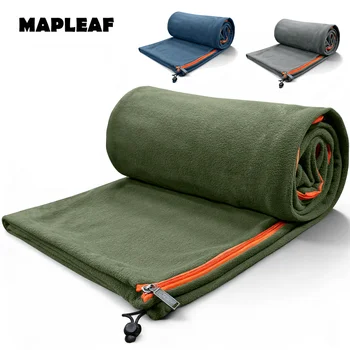
Beyond the practical benefits, caring for your equipment is also a matter of safety. Imagine being on a remote hike where your only source of warmth is a sleeping bag that hasn’t been adequately cared for. The risk is not just discomfort but potentially life-threatening exposure to the elements. By prioritizing equipment care, you mitigate these risks, ensuring your gear functions as intended when you depend on it.
Moreover, investing time in equipment care can also translate into financial savings. By prolonging the life of your gear, you reduce the need for frequent replacements, allowing you to allocate resources more efficiently. This aspect is particularly relevant for avid adventurers and outdoor enthusiasts who rely extensively on their equipment.
In conclusion, understanding and implementing effective long-term survival equipment care is a critical element of preparedness. Embrace these practices to safeguard your gear, ensuring it supports your adventures safely and effectively. Ready to delve deeper into this topic? Explore our comprehensive guide to survival equipment maintenance [link].
Key Factors in Maintaining Survival Tools for Durability
In the challenging world of survival, the longevity and reliability of your tools can be the difference between success and failure. Ensuring that your survival equipment remains in peak condition requires a blend of consistent maintenance, proper storage, and a keen understanding of the tools’ unique needs. This not only extends their lifespan but also ensures they perform optimally when you need them most.
Regular Cleaning and Inspection
One of the most fundamental steps in maintaining your survival tools is regular cleaning and inspection. Dirt, grime, and moisture can lead to corrosion and wear, particularly in metal components. After each use, it’s essential to thoroughly clean your tools, removing any debris or residues that might cause damage over time. Inspecting your equipment for signs of wear or damage allows you to address issues before they become serious problems, ensuring your tools are always ready for action.
Proper Storage
How you store your survival tools is just as important as how you use them. Store them in a dry, cool place to prevent rust and other environmental damage. Using protective cases or sheaths can further safeguard your equipment from physical impacts. It’s also beneficial to keep tools organized, making them easily accessible in emergencies.
Routine Maintenance
Routine maintenance, such as sharpening blades and oiling moving parts, is crucial for keeping tools functional. A dull knife or rusty saw can be ineffective and dangerous, underscoring the importance of regular upkeep. By dedicating time to maintain your equipment, you ensure it remains reliable and efficient.
Maintaining your survival tools with care and precision not only enhances their durability but also boosts your confidence in their performance. By adopting these key practices, you prepare yourself to face any survival challenge head-on, equipped with tools that won’t let you down. Want to learn more about our premium range of survival gear? Explore our full product line [link].
Practical Steps to Clean and Store Survival Gear Effectively
In the realm of outdoor adventures, ensuring your survival gear is in peak condition is paramount. Proper cleaning and storage not only extend the lifespan of your equipment but also ensure that it functions correctly when you need it most. Here are some practical steps to help you maintain your gear effectively.
1. Initial Cleaning
Begin the cleaning process by carefully removing any visible dirt and debris from your gear. Use a soft brush or cloth to gently wipe down surfaces, paying particular attention to zippers, buckles, and seams where dirt tends to accumulate. For items such as tents and backpacks, it’s advisable to use lukewarm water and a mild soap solution. Avoid harsh detergents as they can damage the fabric and compromise the waterproofing capabilities.
2. Drying and Inspection
After cleaning, ensure that all gear is thoroughly dried to prevent mold and mildew. Hang items in a well-ventilated area away from direct sunlight to avoid UV damage. During this drying phase, inspect each piece carefully for signs of wear and tear, such as frayed edges or broken parts. Address these issues promptly to avoid bigger problems in the field.
3. Proper Storage Techniques
Once your gear is clean and dry, storage becomes the next priority. Store items in a cool, dry place to prevent deterioration. Use breathable storage bags for items like sleeping bags and clothes to allow airflow and prevent moisture buildup. Keep similar items together for easy access, and label containers to quickly find what you need. Regularly rotate and check stored gear to maintain its readiness for use.
By following these practical steps, you can ensure that your survival gear remains in excellent condition, ready to support you on your next adventure. Whether you’re a seasoned outdoor enthusiast or a novice, maintaining your equipment is a crucial step in preparing for any journey. Want to learn more? Explore our full product line and find the perfect gear for your needs.
Common Mistakes to Avoid When Caring for Outdoor Equipment
Caring for outdoor equipment is essential for ensuring its longevity and functionality, especially for those who relish the adventure that nature offers. Unfortunately, many enthusiasts fall into common pitfalls when maintaining their gear, which can lead to premature wear and tear. By recognizing and avoiding these mistakes, you can extend the life of your equipment, ensuring it’s ready when you are for the next exploration.
Neglecting Regular Cleaning
One of the most frequent errors is neglecting regular cleaning. Dirt, sweat, and environmental residues can accumulate over time, causing damage to fabrics and mechanical components. A simple routine of wiping down gear after each use, and conducting a more thorough cleaning periodically, can substantially prolong its lifespan. For instance, washing outdoor clothing according to the manufacturer’s instructions helps maintain its water-resistance and breathability, while cleaning tents and backpacks prevents mildew and structural damage.
Improper Storage
How you store your equipment plays a pivotal role in its upkeep. Storing gear in damp or tightly packed conditions can lead to mold growth and fabric deterioration. Instead, allow items to dry completely before storing them in a cool, dry place. Use storage solutions that allow for airflow to prevent moisture build-up.
Overlooking Maintenance Checks
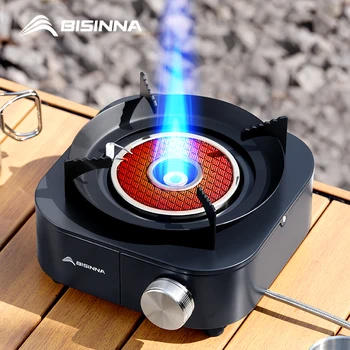
Another common oversight is ignoring regular maintenance checks. Whether it’s tightening screws on a camping stove or checking the seals on a waterproof jacket, these small tasks ensure that your gear is in optimal condition. Scheduling periodic inspections can help identify potential issues before they become serious problems.
Using Products Incorrectly
Finally, using equipment in ways not intended by the manufacturer can lead to damage. Always follow the guidelines provided, as improper use can void warranties and lead to costly repairs or replacements. If you’re unsure about how to properly care for a piece of equipment, consult the manual or contact the manufacturer for advice.
By avoiding these common mistakes, you not only safeguard your investment but also enhance your outdoor experiences. Remember, well-maintained gear will perform better and last longer, keeping you safe and comfortable on every adventure. If you’re looking for more tips on equipment care, explore our full range of guides and resources.
Innovative Solutions for Extending the Lifespan of Your Gear
In the world of outdoor adventures and long-term survival, the durability and longevity of your gear can make all the difference. With proper care and a few innovative solutions, you can extend the lifespan of your equipment, ensuring it remains reliable when you need it most. Here are some expert tips to help you maintain your gear’s integrity over time.
Regular Maintenance and Cleaning
One of the simplest yet most effective ways to prolong the life of your equipment is through regular maintenance and cleaning. After every adventure, take the time to clean your gear thoroughly. Use mild soap and warm water to remove dirt, grime, and residues that could deteriorate materials over time. Dry each item completely before storing to prevent mold and mildew.
Proper Storage
Storing your gear correctly is crucial. Invest in breathable storage bags or containers to protect items from dust and moisture. Avoid cramming equipment into small spaces, as this can cause unnecessary stress on seams and fabrics. Instead, store items in a cool, dry place, and ensure they are easily accessible for future use.
Utilizing Advanced Protective Coatings
Consider applying advanced protective coatings to your gear. These coatings can offer an extra layer of protection against the elements, such as UV damage and water resistance. Products like silicone spray or specialized fabric treatments can significantly enhance your gear’s durability.
Regular Inspections
Conduct regular inspections of your equipment before and after each use. Look for signs of wear and tear, such as frayed straps, weakened buckles, or compromised seams. Addressing these issues early on can prevent larger problems down the road and ensure your gear performs optimally.
Want to learn more about maintaining your outdoor gear? Explore our full product line and discover the tools that can help you keep your equipment in peak condition. Ready to get started? Book your free consultation here.
Tips for Organizing Your Survival Equipment Storage
Ensuring that your survival equipment is well-organized can be the key to its longevity and effectiveness. Whether you are preparing for a camping trip or planning for unexpected emergencies, having a systematic way to store your gear is crucial. With the right organizational strategies, you not only keep your gear in good condition but also ensure that it is easily accessible when needed most.
1. Categorize Your Equipment
Start by sorting your equipment into categories such as cooking gear, shelter, first aid supplies, and navigation tools. By grouping items based on their function, you can reduce confusion and streamline the packing and unpacking process. This method also allows you to quickly locate and assess what you have at a glance, making it easier to identify missing items before they become a problem.
2. Use Clear Storage Bins
Invest in clear, durable storage bins that allow you to see the contents without having to open them. Label each bin clearly with its contents and ensure that heavier items are stored at the bottom to prevent damage. This not only protects your equipment but also saves time when searching for specific items.
3. Maintain an Inventory List
Keeping an updated inventory list is vital. Not only does this help you track what you have, but it also aids in planning for future purchases and ensures that you are always ready. Check items off your list as they are used and note any that need replacing. An inventory list can be maintained in a physical notebook or a digital format, whichever suits your preference.
4. Regular Maintenance Checks
Schedule regular maintenance checks for your equipment to ensure that everything remains in working order. Inspect items for wear and tear, clean them as necessary, and make repairs or replacements where needed. This proactive approach can prevent small issues from becoming major problems that could compromise your safety or comfort in a survival situation.
By organizing your survival equipment thoughtfully and systematically, you not only extend its life but also enhance your readiness and peace of mind. Want to learn more? Explore our full product line.
Conclusion and Call to Action to Explore Our Survival Gear Collection
As you embark on your journey towards mastering the art of long-term survival, the importance of proper equipment care cannot be overstated. It is not merely about ensuring longevity but also about enhancing functionality and reliability when you need it most. Each piece of gear is an investment in your safety and preparedness, and taking the time to maintain it is an act of respect towards that investment.
We understand that the challenges you face in your survival endeavors are unique and varied. The unpredictable nature of the wilderness demands that your gear be in peak condition at all times, ready to serve you without fail. Whether you are braving the elements in the rugged terrains of Oregon or preparing for an extended outdoor expedition, the right equipment can make all the difference.
At David Regula, we take pride in offering a curated selection of survival gear tailored to meet the specific needs of outdoor enthusiasts like you. Our collection is designed with both durability and innovation in mind, ensuring that you are well-equipped for any challenge that comes your way. We invite you to explore our range of products, each crafted to provide the utmost reliability and support in your survival pursuits.
Ready to enhance your survival toolkit? Visit our store today to discover our comprehensive collection of survival gear. Let us be your trusted partner in your quest for safety and adventure. Your journey begins with the right tools—let us help you find them.


0 Comments