Understanding the Importance of Emergency Preparedness
In a world where unpredictability is the only constant, understanding the importance of emergency preparedness is paramount. For individuals and families alike, the ability to respond effectively to unforeseen events can make the difference between chaos and calm. Whether it’s a natural disaster, a sudden power outage, or any other crisis, having an emergency kit is not just prudent—it’s essential.
Emergency preparedness involves more than just the physical act of collecting supplies. It embodies a mindset of readiness and resilience. By preparing in advance, you are taking proactive steps to protect your loved ones and ensure their safety. This preparation is about anticipating what could go wrong and having a plan to address it. Through this foresight, you empower yourself to act swiftly and decisively when faced with a crisis.
The Core Components of Preparedness
- Awareness: Stay informed about potential risks in your area. Understanding the types of emergencies that are most likely to occur can guide your preparation efforts.
- Planning: Develop a family emergency plan. This includes communication strategies, meeting points, and roles for each family member.
- Supplies: Assemble an emergency kit with essential items such as food, water, medical supplies, and other necessities that can sustain your family for at least 72 hours.
For many, the journey to preparedness might seem daunting. However, by breaking it down into manageable steps, you can create a comprehensive emergency plan that not only ensures safety but also peace of mind. Being prepared is not about living in fear—it’s about living confidently, knowing you have the tools and plans in place to handle whatever comes your way.
As you embark on this path, remember that preparedness is an ongoing process. Regularly review and update your plans and kits to reflect changes in your family’s needs and circumstances.
By understanding and embracing the importance of emergency preparedness, you’re not just protecting your family; you’re building a foundation of resilience and security in an uncertain world.
Key Elements of an Effective Emergency Kit
Building an essential emergency kit is a critical step towards ensuring safety and preparedness in unexpected situations. Whether it’s a natural disaster or an unforeseen event, having a well-stocked kit can make all the difference. Here, we discuss the key elements that should be included in every effective emergency kit, ensuring you are ready for whatever comes your way.
Basic Necessities
At the core of any emergency kit are items that meet your basic needs. This includes non-perishable food and water supplies, sufficient to last at least three days. Pack foods that require minimal preparation, such as canned goods, dried fruits, and energy bars. Water is essential, so aim for at least one gallon per person per day, covering both drinking and sanitation needs.
First Aid Supplies
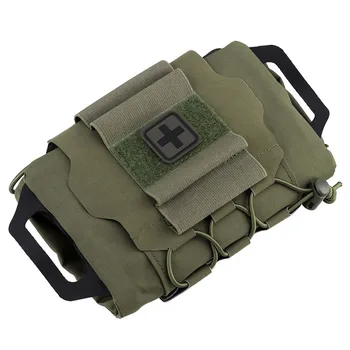
A comprehensive first aid kit is indispensable. It should contain bandages, antiseptics, adhesive tape, pain relievers, and any personal medications. Familiarize yourself with the use of each item to ensure you can respond swiftly during emergencies.
Tools and Equipment
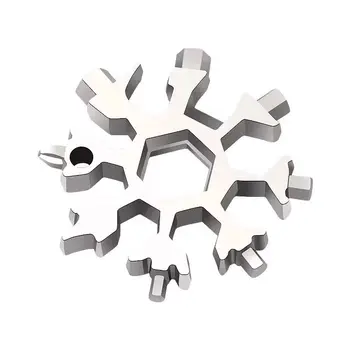
Essential tools should include a flashlight with extra batteries, a multi-tool, a whistle to signal for help, and a manual can opener. Additionally, consider including a portable phone charger to maintain communication lines.
Personal Items and Clothing
Include sturdy shoes and clothing suitable for the climate you are in. Personal hygiene items like toothbrushes, toothpaste, and moist towelettes are also important for maintaining cleanliness and comfort.
By assembling these key elements, you create a robust emergency kit that not only ensures basic survival but also provides peace of mind knowing that you are well-prepared. For more detailed guides on assembling your kit, visit our resources section or contact us for personalized advice.
Choosing the Right Gear for Various Scenarios
When assembling your essential emergency kit, choosing the right gear is crucial to ensure preparedness for a multitude of scenarios. Whether you’re facing natural disasters, unexpected camping challenges, or even a pandemic, the versatility and reliability of your equipment can make a significant difference.
Understanding Your Environment
First and foremost, it’s essential to consider the environment you’re most likely to encounter. For instance, an individual living in an earthquake-prone area will have different necessities compared to someone in a flood zone. Recognizing the specific threats in your region allows you to tailor your kit to contain items such as waterproof bags or fire-resistant blankets, ensuring that you are well-equipped for the most probable situations.
Multi-purpose Tools and Equipment
Invest in gear that serves multiple purposes to maximize efficiency and space. A multi-tool, for example, can offer solutions for various tasks, from opening bottles to cutting ropes. Similarly, solar-powered chargers can keep your electronic devices running without relying on conventional power sources, a critical feature if you’re dealing with prolonged power outages.
Quality Over Quantity
When it comes to emergency preparedness, quality should always trump quantity. Select high-quality items that are durable and reliable. This is especially true for items like water filters, first aid kits, and sleeping bags. Opt for products that have been tested and proven in the field. This ensures that in times of need, you can depend on your gear to function as expected without failure.
By focusing on these key aspects—environmental considerations, multi-purpose tools, and quality—you can build a comprehensive emergency kit tailored to meet your specific needs. Ready to enhance your preparedness? Explore our full range of high-quality emergency gear [link].
Step-by-Step Guide to Building Your Kit
Building an emergency kit is not merely a precautionary measure; it is an essential step in ensuring safety and preparedness for unforeseen events. Whether you are bracing for natural disasters or unexpected emergencies, having a well-stocked kit can provide peace of mind and vital resources when you need them most. Here’s a comprehensive guide to creating your essential emergency kit.
1. Begin with the Basics
Start by assembling items that cater to your most fundamental needs. This includes non-perishable food, like canned goods or dried fruits, and a minimum of one gallon of water per person per day. Ensure you have at least a three-day supply for each member of your household.
2. Include First-Aid Supplies
Your kit should contain a comprehensive first-aid kit. Include bandages, antiseptics, pain relievers, and any necessary prescription medications. Remember to check expiration dates regularly and renew supplies as needed.
3. Pack Tools and Utilities
Essential tools like a flashlight, multi-tool, and duct tape can be invaluable. Don’t forget extra batteries, a manual can opener, and a whistle to signal for help if needed.
4. Personal Hygiene and Comfort
Maintain personal hygiene with items such as hand sanitizer, moist towelettes, and basic toiletries. Additionally, pack warm clothing and blankets to ensure comfort in any situation.
5. Documentation and Communication
Keep copies of important documents like identification, insurance policies, and medical records in a waterproof container. Include a battery-powered or hand-crank radio to stay informed about emergency developments.
By following these steps, you ensure that your emergency kit is not only complete but tailored to meet the specific needs of your household. Want to learn more? Explore our full product line for essential gear and supplies. Have a question? Drop it in the comments or contact us. Remember, preparedness is the key to safety and peace of mind.
Common Mistakes to Avoid When Preparing Your Kit
Building an emergency kit is a proactive step towards ensuring safety and preparedness in times of crisis. However, many individuals make avoidable mistakes that can diminish the effectiveness of their kits. By understanding these common pitfalls, you can better prepare for unforeseen events and maintain peace of mind.
Ignoring Personal Needs
One of the most frequent errors is overlooking personal needs. An essential emergency kit should be customized to suit the unique requirements of every household member. This means considering dietary restrictions, medications, and even comfort items for children. Failing to personalize your kit can lead to unnecessary complications during an emergency.
Overlooking Regular Updates
Another common mistake is neglecting the regular update of your kit. Items can expire, batteries can lose charge, and your family’s needs may change over time. Setting a bi-annual reminder to review and refresh your supplies ensures your kit remains viable and ready at all times.
Underestimating the Importance of Documentation
In the rush to gather physical supplies, many forget the significance of including vital documents. Copies of insurance papers, identification documents, and emergency contact numbers should be part of your kit. These documents can be crucial in an emergency, helping you navigate bureaucracy more smoothly.
Neglecting the Significance of Practicality
While it’s tempting to overpack, practicality should guide your decisions. Your emergency kit needs to be portable and easy to carry. Overloading it with unnecessary items can hinder quick evacuation. Focus on essentials and prioritize items that are lightweight yet functional.
By avoiding these common mistakes, you can enhance the effectiveness of your emergency kit and ensure that you and your loved ones are truly prepared for any situation. This proactive approach not only safeguards your well-being but also reflects a responsible and forward-thinking mindset.
Ready to get started? Explore our full range of emergency preparedness products [link], or contact us for personalized advice [link].
Ensuring Your Kit Meets Seasonal Needs
Building an emergency kit is an essential step in preparing for unexpected situations, but ensuring that your kit meets seasonal needs can make all the difference in its effectiveness. Seasonal considerations are crucial, as they allow your emergency kit to address the unique challenges posed by different weather conditions, ensuring you and your loved ones remain safe and comfortable no matter the time of year.
Adapting to Winter Conditions
During the winter months, your emergency kit should be equipped to handle colder temperatures and potential snow or ice. Include items such as thermal blankets, hand warmers, and a supply of non-perishable food that won’t freeze. A shovel and ice scraper are also practical additions, along with a flashlight and extra batteries, as power outages are more common during winter storms.
Preparing for Summer Heat
Conversely, summer necessitates a different set of items. In hot weather, hydration is crucial, so ensure your kit includes plenty of bottled water and electrolyte solutions. Consider adding sunscreen, a hat, and lightweight clothing to protect against sun exposure. Battery-operated fans and cooling towels can provide relief from the heat and are compact enough to fit into most kits.
Transitioning Between Seasons
As seasons change, it’s important to review and update your emergency kit. The transition between spring and summer, or fall and winter, is an ideal time to reassess your kit’s contents. This ensures that expired items are replaced, and you are prepared with season-specific essentials.
By tailoring your emergency kit to meet seasonal needs, you not only enhance its utility but also ensure peace of mind knowing you are prepared for whatever Mother Nature may have in store. For more tips on building a comprehensive emergency kit, explore our full guide [link].
How to Maintain and Refresh Your Emergency Kit Regularly
Maintaining and refreshing your emergency kit is not just a recommended practice but an essential aspect of ensuring your preparedness during unforeseen events. An emergency kit is only effective if its contents are up-to-date and in good condition. Here’s how you can keep your kit ready and reliable:
Conduct Regular Inspections
Set a schedule to inspect your emergency kit at least every six months. During these inspections, check the expiration dates of all perishable items, such as food, water, and medications. Replace them as needed to ensure your kit is always stocked with safe, consumable supplies. This routine not only guarantees the freshness of items but also gives you peace of mind knowing that your kit is in optimal condition.
Update According to Seasonal Needs
Consider the changes in season and adjust the contents of your kit accordingly. For example, during the winter months, add items such as thermal blankets and hand warmers. In the summer, you might include sunscreen and extra water supplies. Tailoring your kit to the seasonal challenges ensures that you are prepared for specific weather-related emergencies.
Include Personalization
Your emergency kit should reflect the unique needs of your household. Consider any specific medical requirements, allergies, or preferences. This personalization ensures that your kit is not only comprehensive but also suited to your family’s individual needs. Regularly updating personal items such as additional clothing, personal hygiene products, and children’s essentials is crucial.
Engage Your Community
Community engagement is a great way to ensure you’re not alone in your preparedness efforts. Join local workshops or online forums where you can learn from others’ experiences and share tips. This not only enhances your knowledge but also fosters a sense of community resilience.
By maintaining and refreshing your emergency kit, you enhance your preparedness, ensuring that when an emergency strikes, you are ready to face it with confidence. Ready to take the next step? Explore our range of essential emergency supplies to complete your kit. [link]



0 Comments